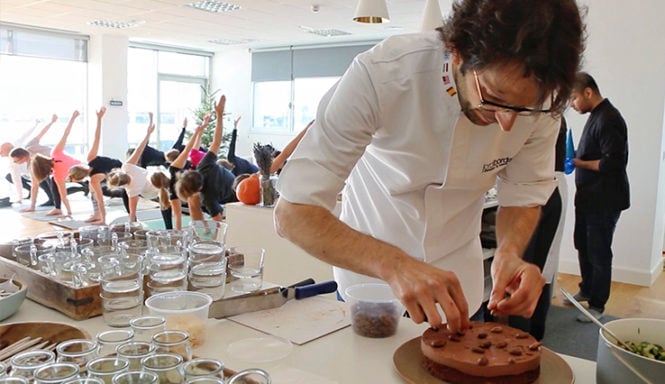
We are introducing the " B·Concept " method in Japan for the first time
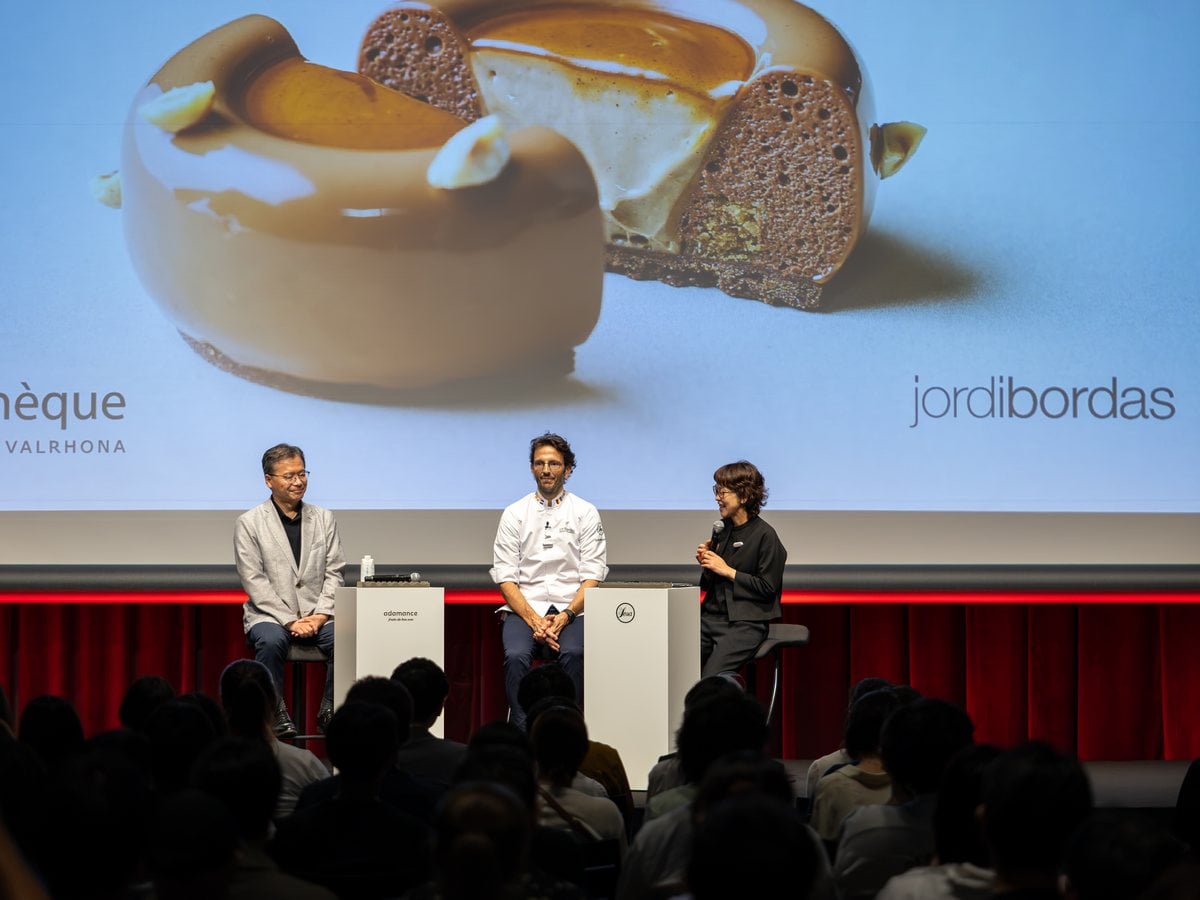
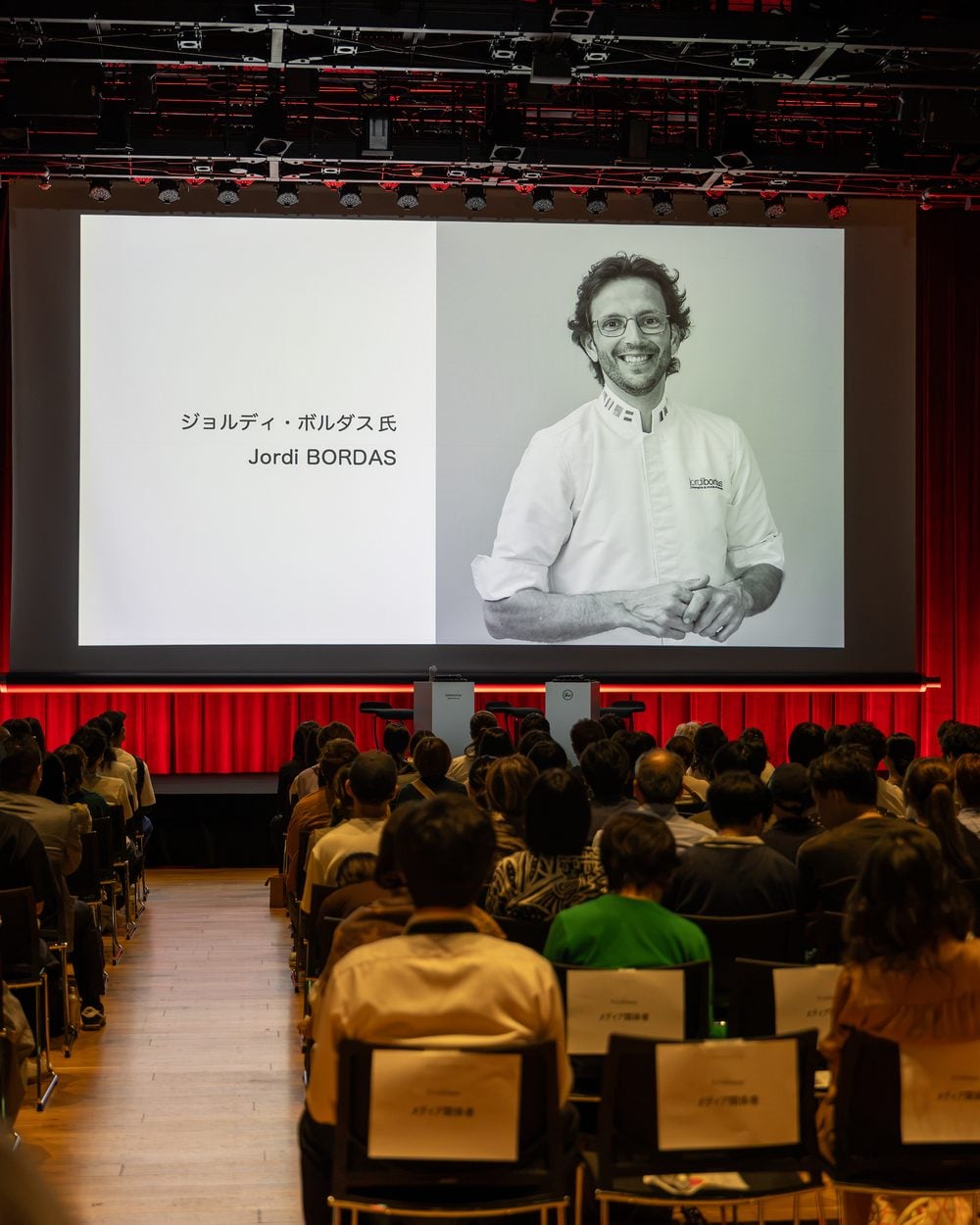
In July, we brought the method to É-Cothèque 2026 in Tokyo. It was the first time that “ B·Concept ” had been presented in Japan, one of the world’s most demanding markets for “ pastry .”
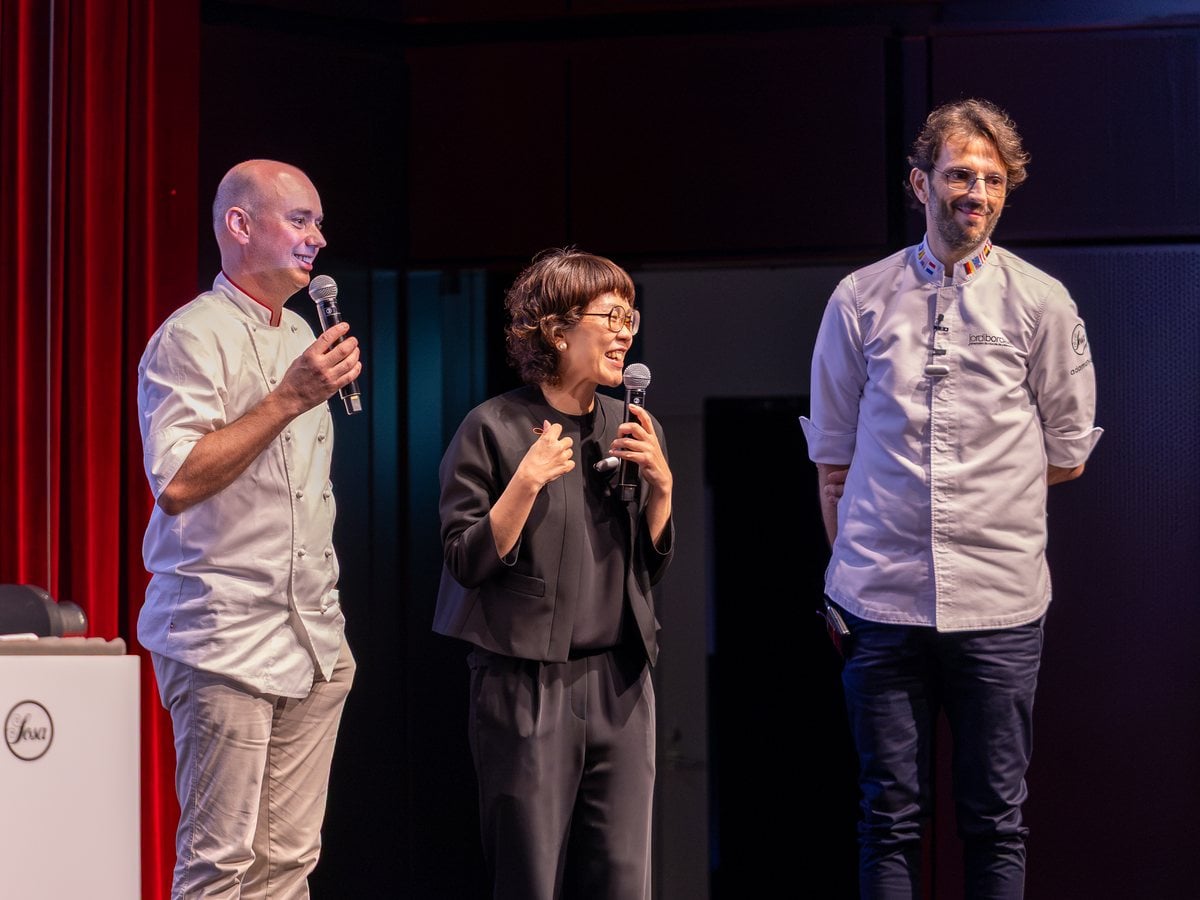
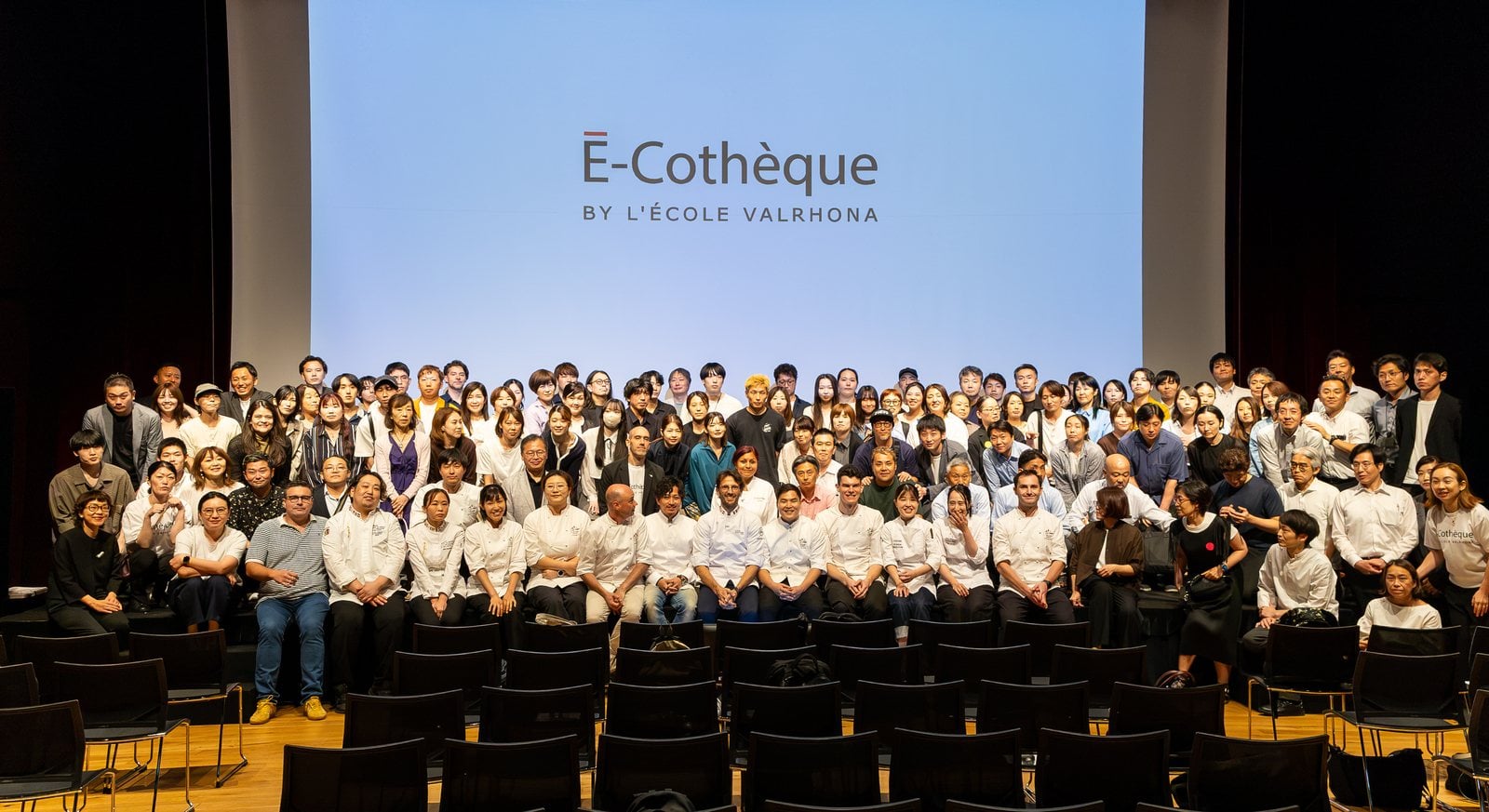
É-Cothèque 2026, in Tokyo. Featuring Takashi Mikogami, Yoshiko Murase, and Fabrice David.
The session didn’t start with a recipe. It began with three questions that anyone who’s spent time in a pastry kitchen has faced: Why does my gelatin-based dessert release water when it thaws? Why doesn’t my fruit mousse taste like fruit? Why is my dacquoise unstable and too sweet? Most people wonder which recipe to use. We start with a different question: What do I need it to do?
É-Cothèque is the event that L’École Valrhona hosts in Tokyo, dedicated to creativity, knowledge, and exchange among professionals in the fields of pastry, gastronomy, and food science. We went to explain how a recipe works—the balance of water, the structure, and the role of each ingredient—so that every professional can make informed decisions on their own. Recipes teach you how to replicate; “ B·Concept ” teaches you how to understand.
The session
Science and pastry, at the same table
Together with scientist Takashi Mikogami, who holds a Ph.D. in Life and Health Sciences, we explored the intersection of science and “ pastry ”: textures, the interaction between ingredients, and the role of proteins and fibers. This was an unusual conversation for a demonstration, one that allowed us to explain not only how a dish behaves, but also why.
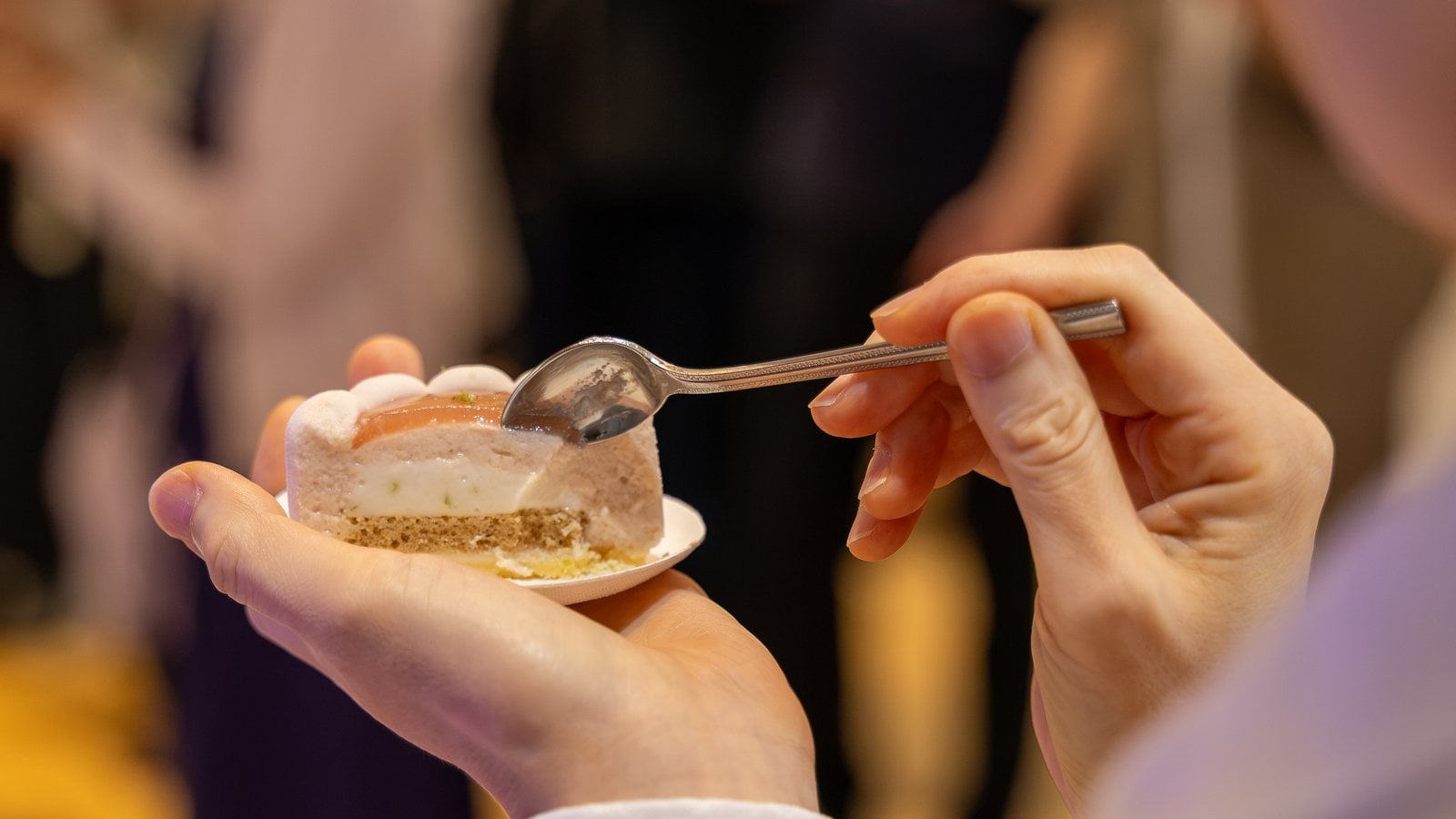
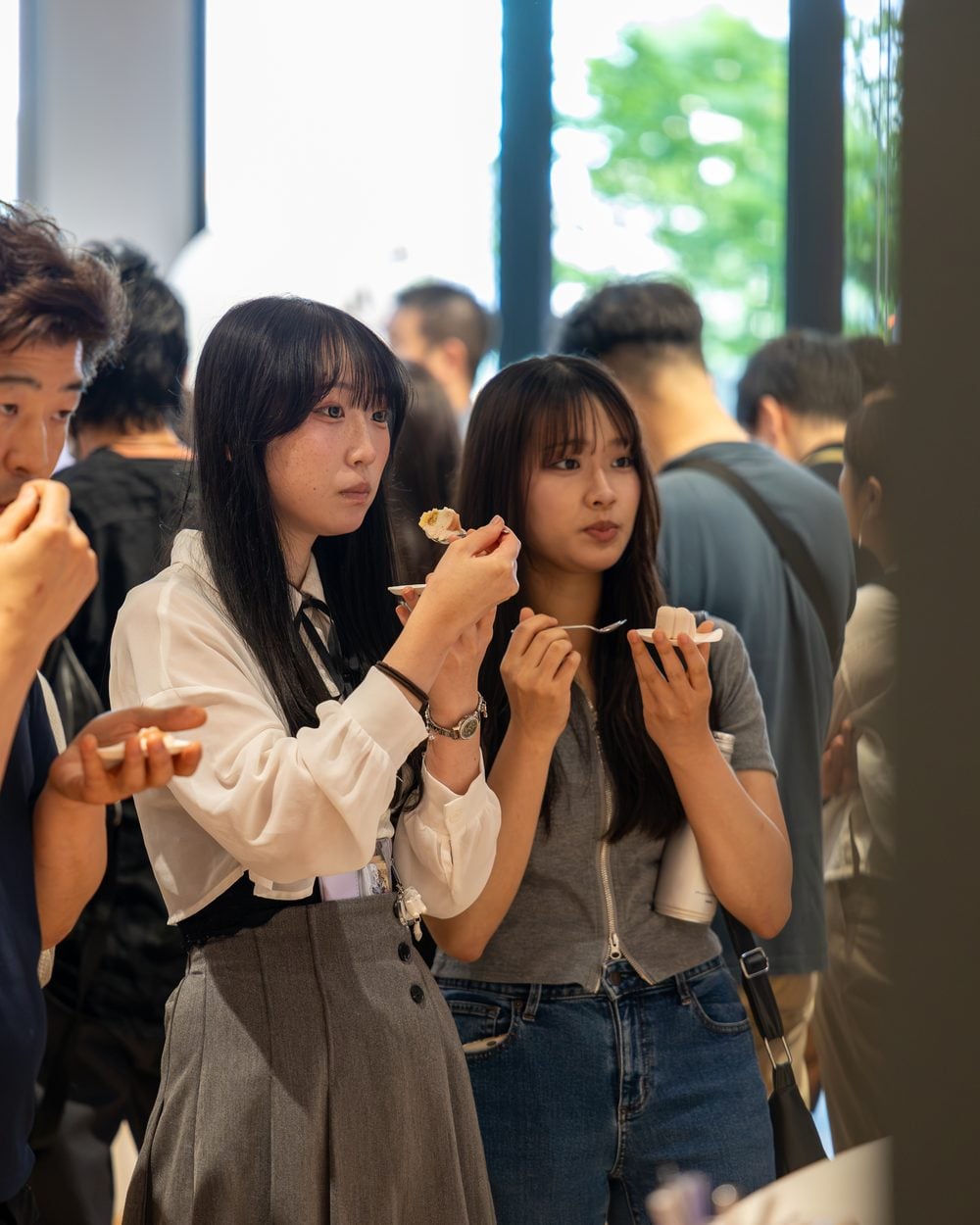
And we demonstrated this firsthand. We compared different versions of these creations (a chocolate cream, a mango gel, a raspberry mousse, and a dacquoise) and placed them side by side. The audience was able to taste each version and experience the differences in texture, flavor, and mouthfeel.
The Case
When we take out the sugar, the mango tastes more like mango
The mango gel was the clearest example. We compared two versions, both formulated using the “ B·Concept ” method. The first contained sugar, glucose syrup, and gelatin. The second contained no sugar, and the gelatin was replaced with a fiber blend: cold-processed inulin, pectin, and Flaxfiber.
The taste is what no one expects: it tastes more like mango. Not because we added anything, but because we removed the sugar that was masking the flavor. Added sugars drop from 6.87% to 0.17%, and the sweetness score goes from 25.2 to 19.9. And the product withstands freezing and thawing, which was the initial problem.
The conclusion is the one we've maintained from the very beginning: by understanding the system, professionals can choose a texture, reduce the sugar, or add nutritional value without relying on a set recipe.
There was one idea I wanted to emphasize above all others. In contrast to the industry’s long-standing tradition of treating the formula as a secret, we’ve made the method completely transparent. We haven’t held anything back. Because what truly proves that the method works is that, once you complete the training, you no longer need us.
"Understand the entire system so you can make a decision."
The Gaze
Japan didn't copy the technique. It understood it.

There are countries you visit, and there are countries that change the way you see things. The first time I arrived in Tokyo, when I was just over twenty, I didn’t understand a single thing I saw. Years later, I recognized that same feeling in a more uncomfortable setting: standing in front of my own creations, unable to explain why they worked.
What’s truly impressive about Japan isn’t its best pastry, but its average standard. Perfectly smooth mousses, light sponge cakes, impeccable creams: even the most everyday item is executed with almost obsessive precision. That level of quality doesn’t come from luck or inspiration—it comes from the fact that someone in every bakery knows exactly why they do what they do.
Yuzu, or Why I Went to Kochi
Much of Japanese technique shows a clear French influence. They could have stopped there, simply replicating what already worked. Instead, they did something else: they understood it from the inside out and reinterpreted it using matcha, black sesame, and yuzu. In 2012, I traveled to the plantations in Kochi—not to learn a specific technique, but to understand why yuzu smells the way it does. Understanding that is what unlocks an infinite range of possibilities for combining it with other ingredients.
If you simply follow the technique, changing an ingredient is a risk. If you understand why it works, changing it is a choice.
Jordi and the Team
B·Concept
Understand. Formulate. Create.
The Next Step
Learn to create your own formulas
The " B·Concept" method—the same one we brought to Tokyo—is taught in the Jordi Bordas School's online training program.